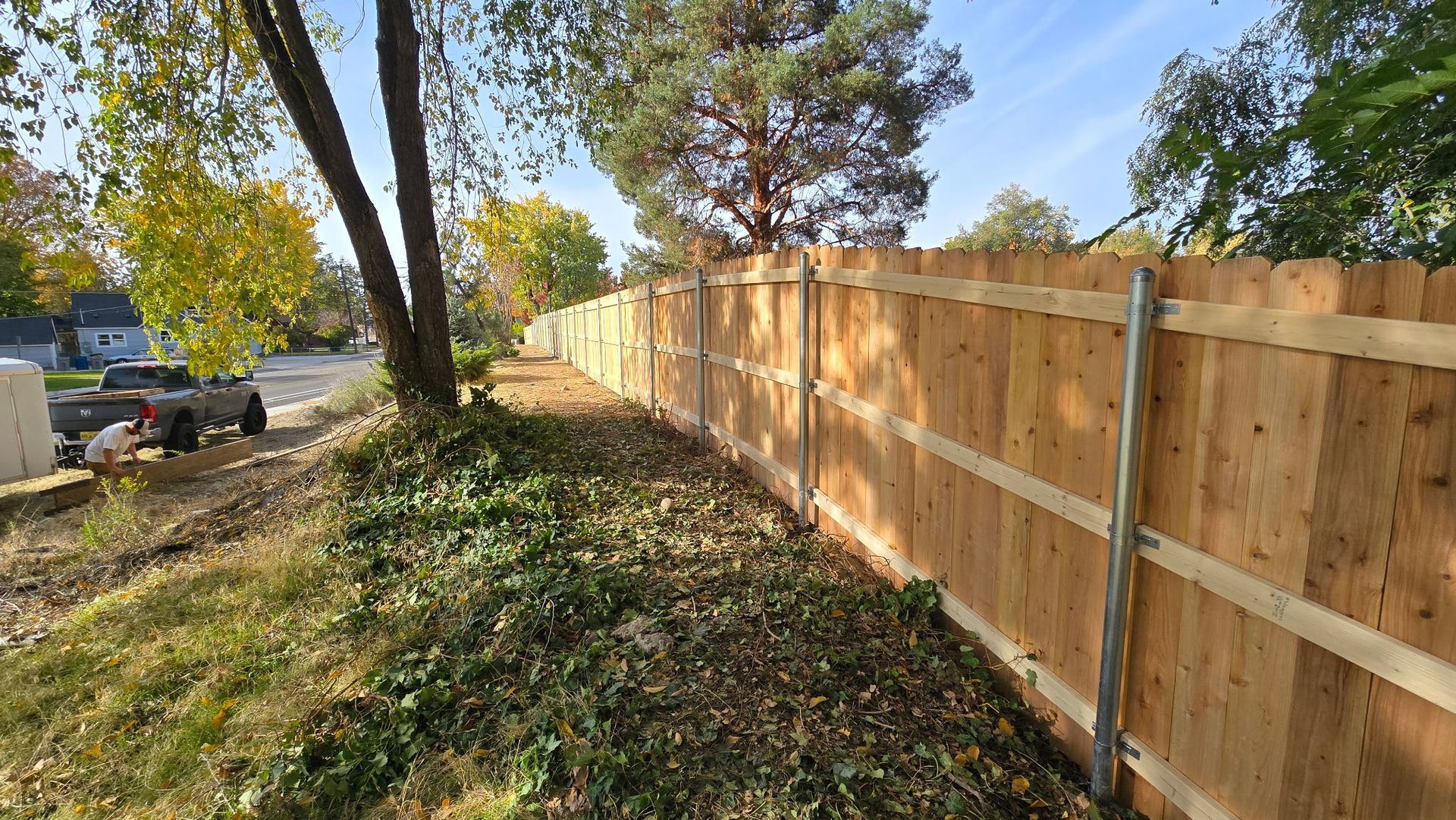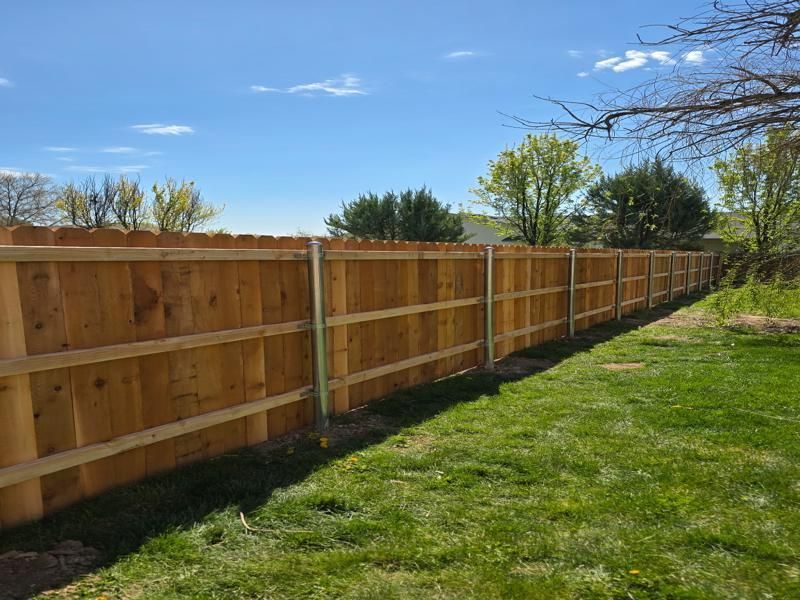
Why You Should Stain Your Fence in Boise and the Treasure Valley
If you live in Boise, Nampa, Meridian, Caldwell, Eagle, Star, or Kuna, your fence is constantly exposed to sun, wind, rain, and snow. Over time, that exposure dries out the wood, causes cracking, and fades its color.
Think of staining as preventative care for your fence. Instead of waiting until it starts falling apart, staining helps protect it early and extend its lifespan.
At Fence Doctor, we often see fences that could have lasted years longer with proper staining. A good stain not only improves appearance but also acts as a protective barrier against the elements.
What Fence Stain Actually Does
Staining your fence is not just about making it look good. It plays an important role in protecting the wood.
Here is what a quality fence stain helps with:
- Protects against UV damage from the strong Idaho sun
- Repels moisture to reduce rot, warping, and cracking
- Slows down aging and deterioration of the wood
- Enhances the natural color and grain for better curb appeal
Without stain, wood fences in the Treasure Valley tend to dry out, fade, and weaken much faster.
Oil-Based vs Water-Based Fence Stain
One of the most common questions homeowners ask is whether they should use oil-based or water-based stain. Both have their place, and the right choice depends on your priorities.
Here is a breakdown to help you understand the difference.
Oil-based stain
- Penetrates deeper into the wood for strong protection
- Typically lasts longer before needing to be reapplied
- Handles harsh weather conditions very well
- Takes longer to dry and can have a stronger odor during application
Water-based stain
- Dries much faster, making it easier to apply in a shorter time window
- Has lower odor and is more environmentally friendly
- Holds color well and resists fading
- Does not penetrate as deeply as oil-based options, so it may require more frequent maintenance
In areas like Boise and Nampa where fences deal with intense sun and seasonal changes, oil-based stains are often chosen for durability. However, water-based stains are a great option for homeowners who want quicker application and easier cleanup.
Choosing the Right Stain for Your Fence
There is no one-size-fits-all answer when it comes to stain. It depends on the condition of your fence and what you want out of it.
If your fence is newer or still in great shape, either type of stain can work well. If your fence is older and more weathered, an oil-based stain can often do a better job of soaking in and restoring protection.
The key is making sure the fence is properly prepped before staining. Even the best stain will not perform well if it is applied to dirty or damaged wood.
Best Weather Conditions for Staining a Fence
Timing matters more than most people think when it comes to staining.
In the Treasure Valley, the right weather conditions can make a big difference in how well your stain performs and how long it lasts.
Here is what to look for:
- Mild temperatures, ideally between 50 and 85 degrees
- Dry conditions with no rain expected for at least 24 to 48 hours
- Low to moderate wind to prevent uneven drying
- Avoiding direct, intense sunlight during application when possible
Staining during extremely hot days in Boise or very cold conditions in winter can lead to poor absorption and uneven results.
Spring, early summer, and early fall are usually the best times to stain a fence in Idaho.
How Staining Saves You Money Long Term
Staining your fence is one of the simplest ways to protect your investment.
Without stain, wood fences are more likely to crack, warp, and rot. That leads to more frequent repairs and eventually an earlier replacement.
With regular staining, you can:
- Extend the life of your fence by several years
- Reduce the need for repairs like board and post replacement
- Maintain a cleaner, more finished appearance
- Protect against costly structural damage
It is much more affordable to maintain your fence with stain than to replace large sections later on.
When to Stain Your Fence
If you have a new fence, it is usually best to wait a short period before staining so the wood can properly dry out. For existing fences, if the wood looks faded, dry, or rough, it is likely time for a fresh coat.
A good rule of thumb is to restain every few years depending on the product used and how much exposure your fence gets.
If you are unsure, that is where a professional evaluation can help.
Final Thoughts
Staining your fence is one of the best ways to protect it from the tough weather conditions we see in Boise, Nampa, Meridian, Caldwell, Eagle, Star, and Kuna.
Whether you choose an oil-based stain for deeper protection or a water-based stain for convenience, the goal is the same. Keep your fence strong, protected, and looking great for as long as possible.
At Fence Doctor, we take the guesswork out of the process. We offer free evaluations to assess the condition of your fence, recommend the right type of stain, and make sure it is applied under the right conditions for long-lasting results.
If your fence is starting to look weathered or worn, now is a great time to give it the protection it needs.